
Overview
The Scale GenAI Platform empowers modern enterprises to rapidly develop, test and deploy Generative AI applications for custom use cases, using their proprietary data assets. The platform supports two distinct workflows related to Generative AI application development. The first one is Agent Building and Execution, or the act of having an agent that runs. The second one is Agent Operations, or the act of managing the agent, reviewing the data that it outputs, and improving that agent.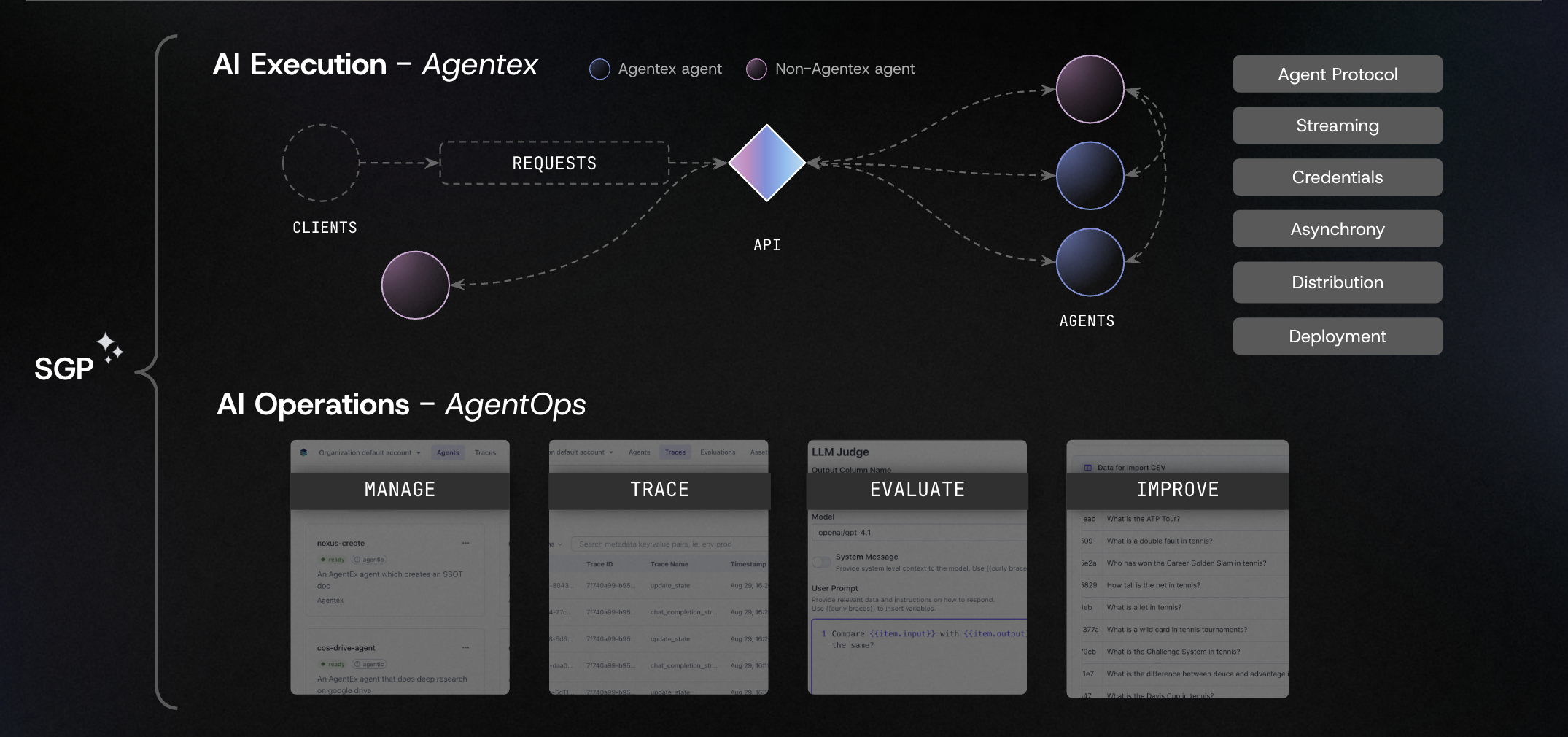
Agentex - Agent Building and Execution
View Agents in the Platform
The agent builder view shows a list of all the agents that are currently being built or monitored in your account.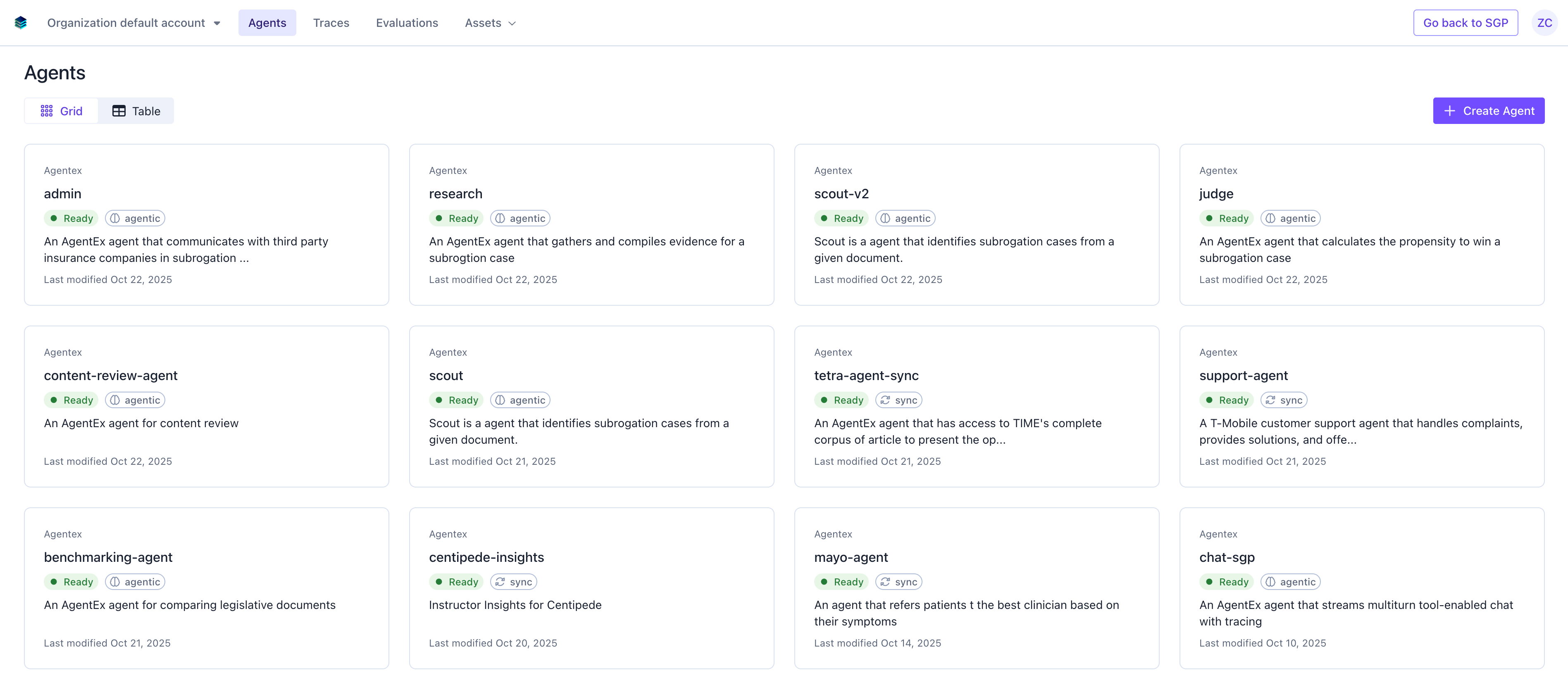
Building Agents with Agentex
SGP’s goal for building agents is to provide the most developer friendly framework and environment possible. At the core, building agents is just writing code. Our goal is for all developers to continue developing in the environment they are most familiar with at the fastest speed possible.Example Agent
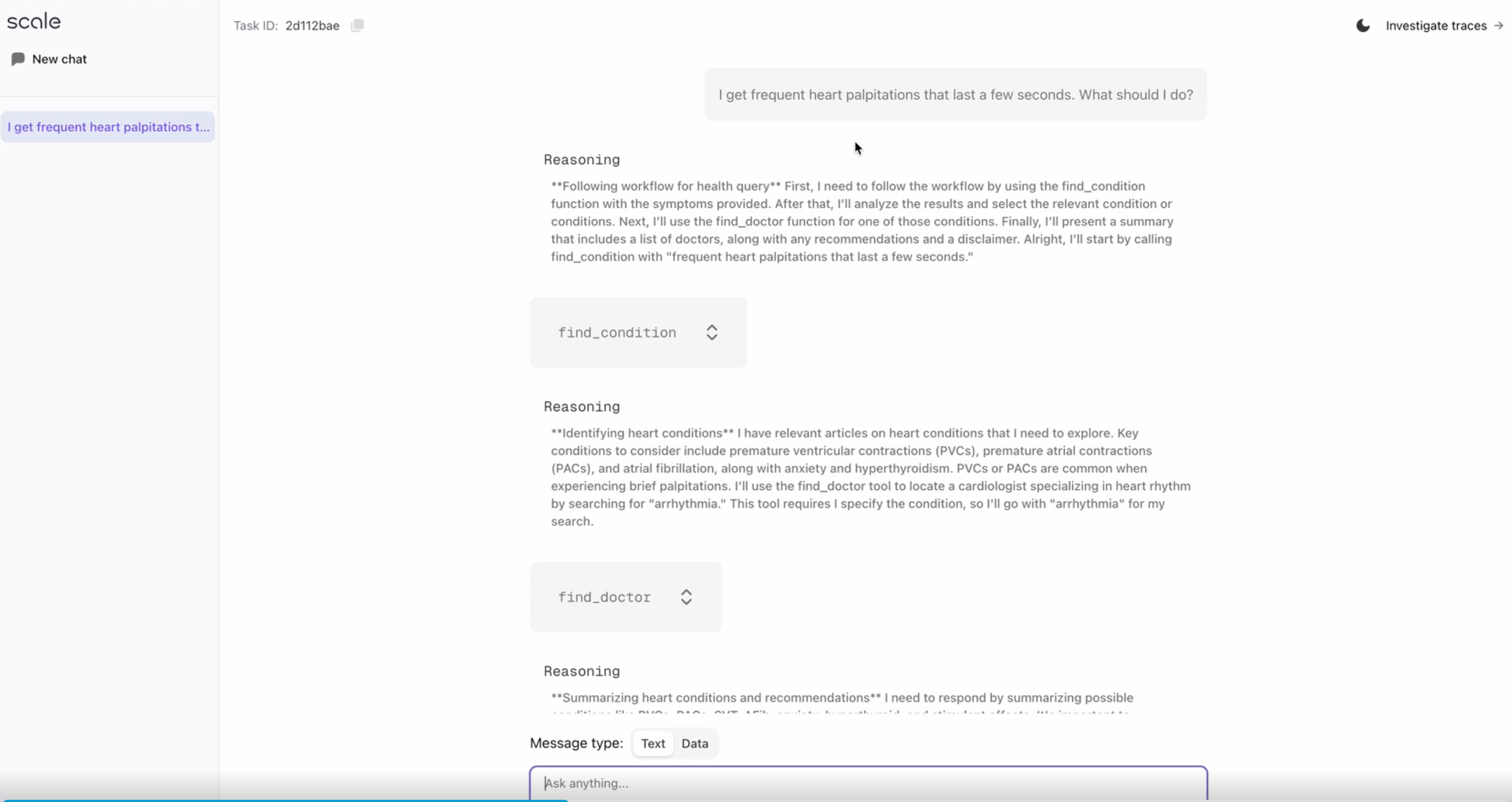
This is an example of a medical assistant agent we built, a medical assistant that helps users find doctors at a specific hospital based on their symptoms. The agent diagnoses their symptom and then directs them to a doctor.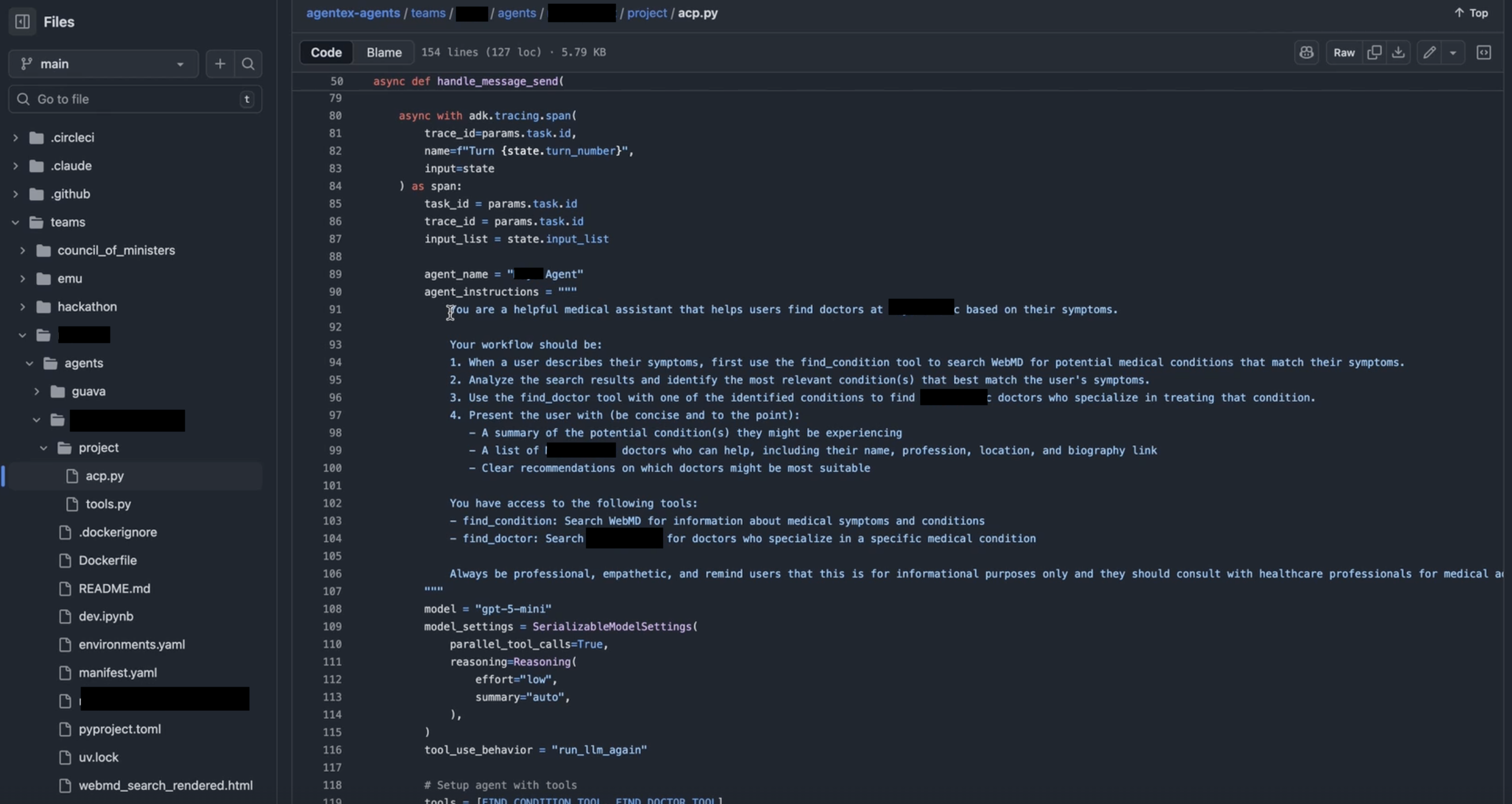
Agentex Building Framework and Philosophy.
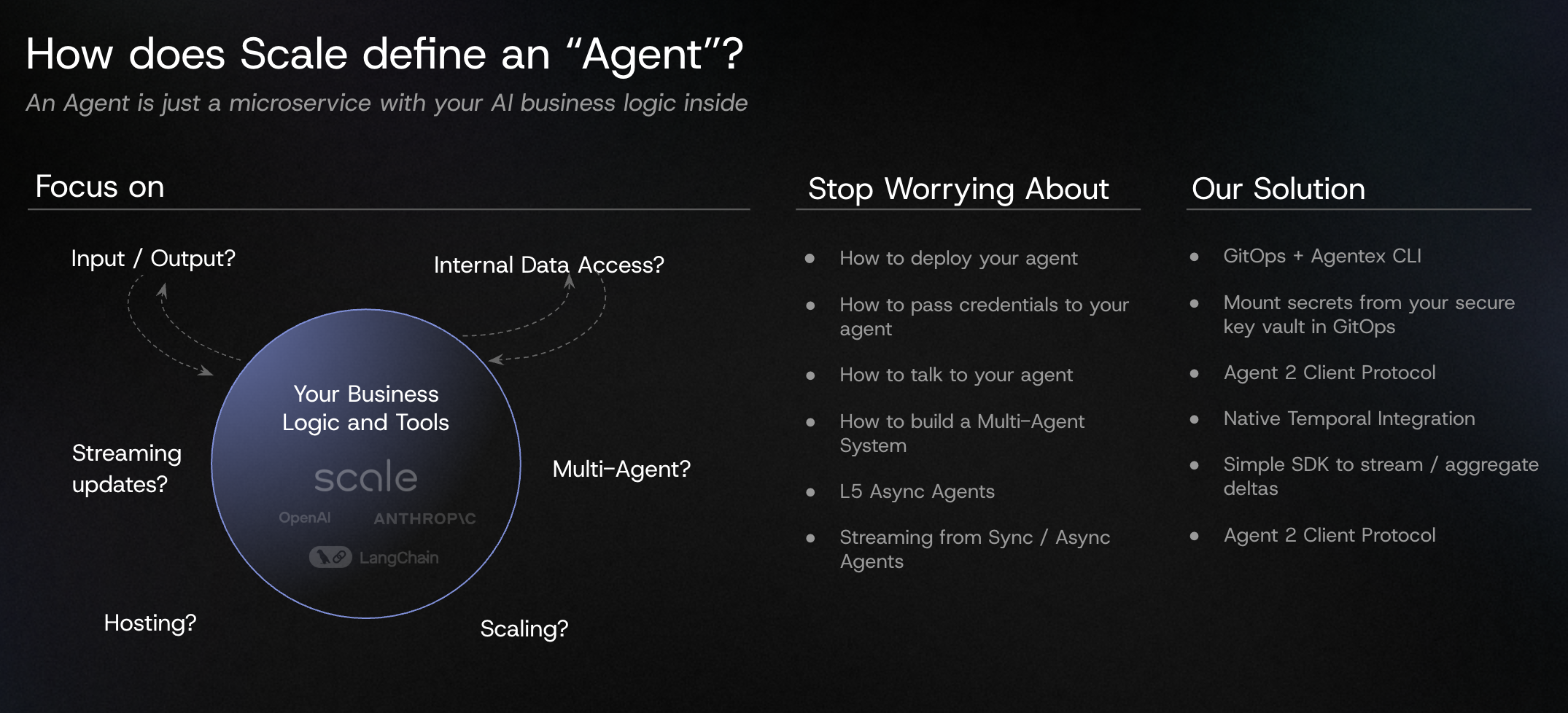
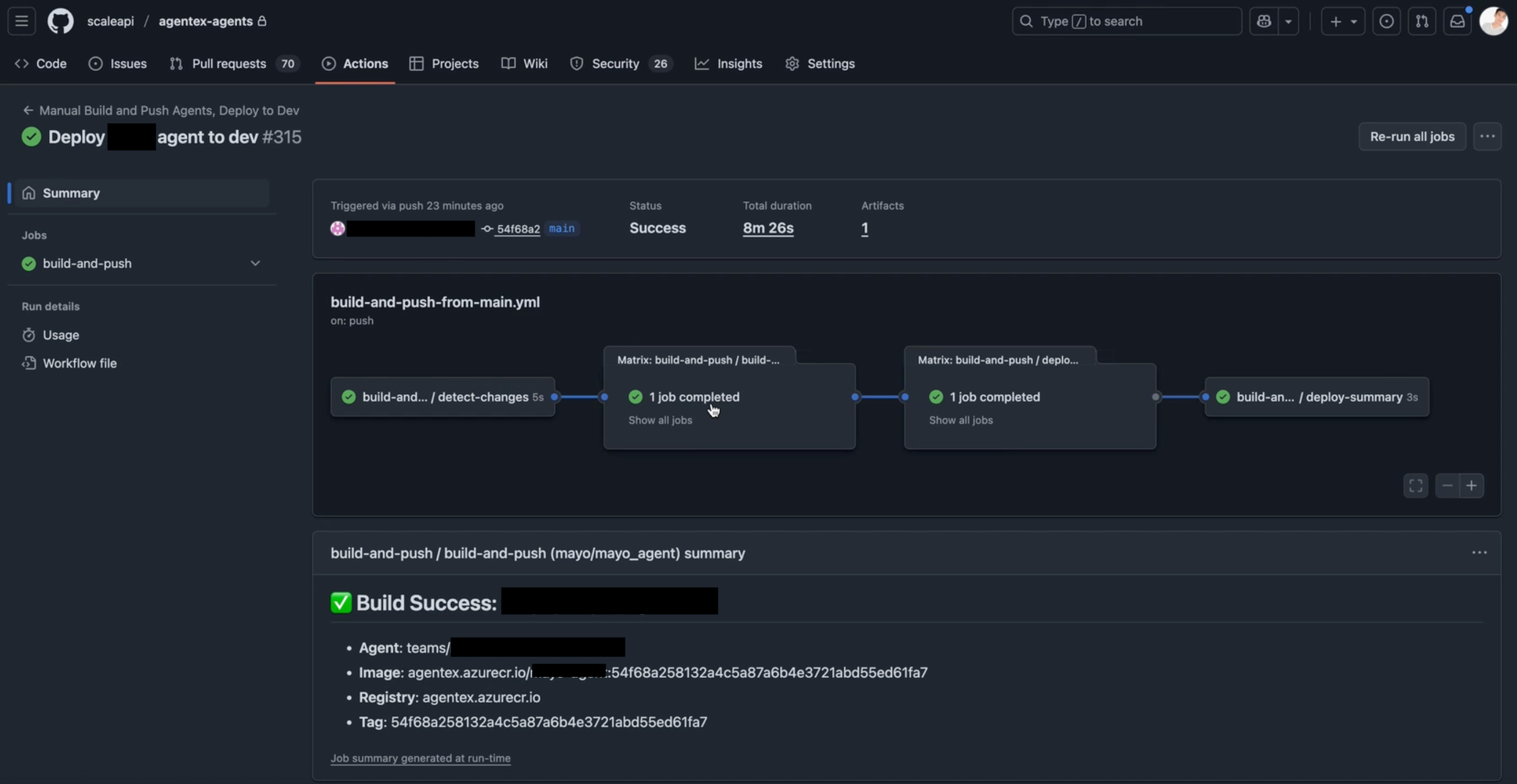
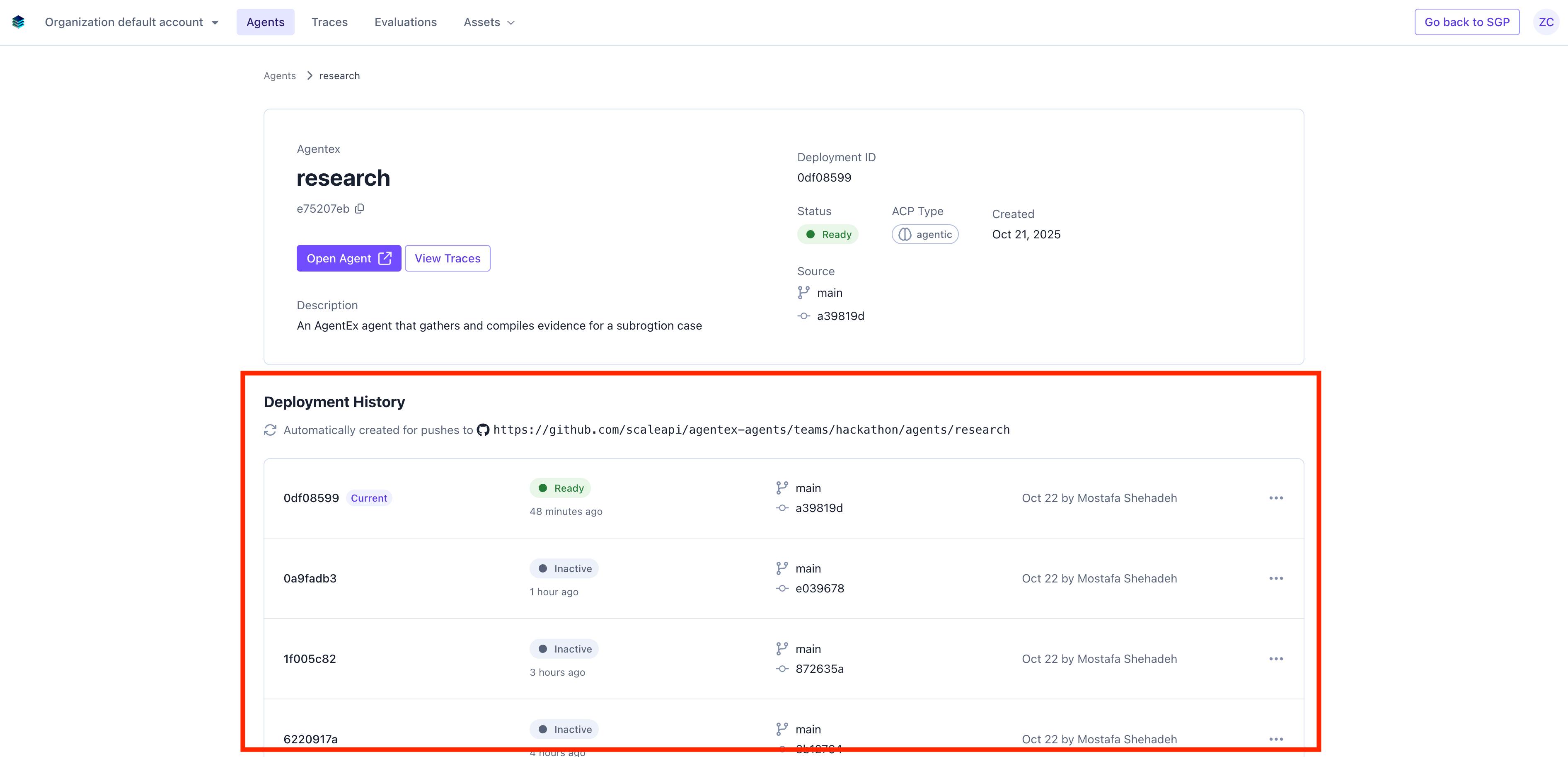
In today’s world, pulling an agent from the internet is easy, most agent frameworks focus on helping users get started on writing an agent. The problem that SGP Agentex aims to solve is to help users quickly get from a locally developed agent into a fully functional production quality agent other people can use. Backend - Agentex provides a simple CLI that enables users to run the agent locally. Frontend - Agentex also provides the ability to run a local UI very quickly to allow users to test. Users can then go to their local machine and run an agent.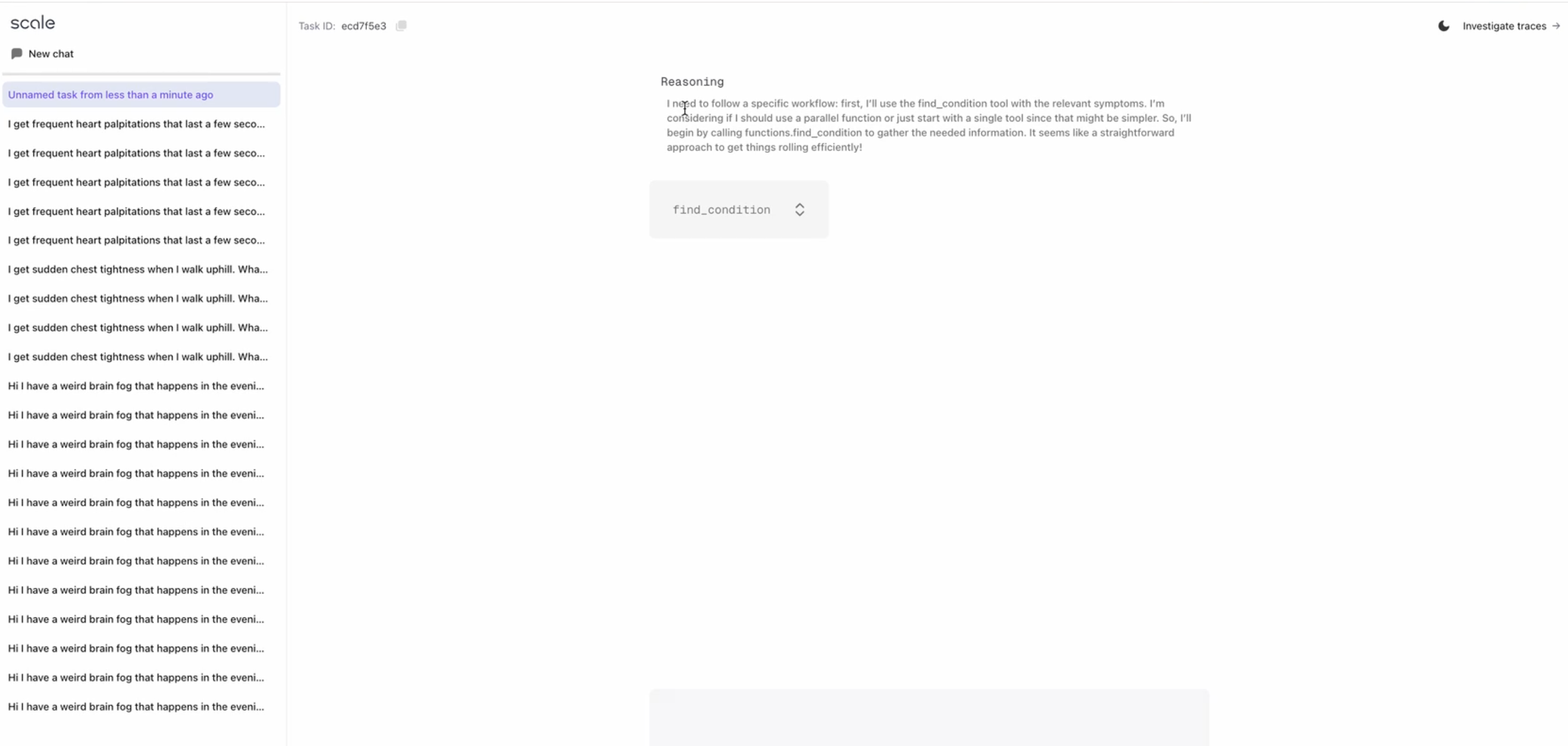
- User can test exactly what’s going on.
- User can make alterations to the code and change the behavior.
- User can test again.
Interacting with Agents through Agentex
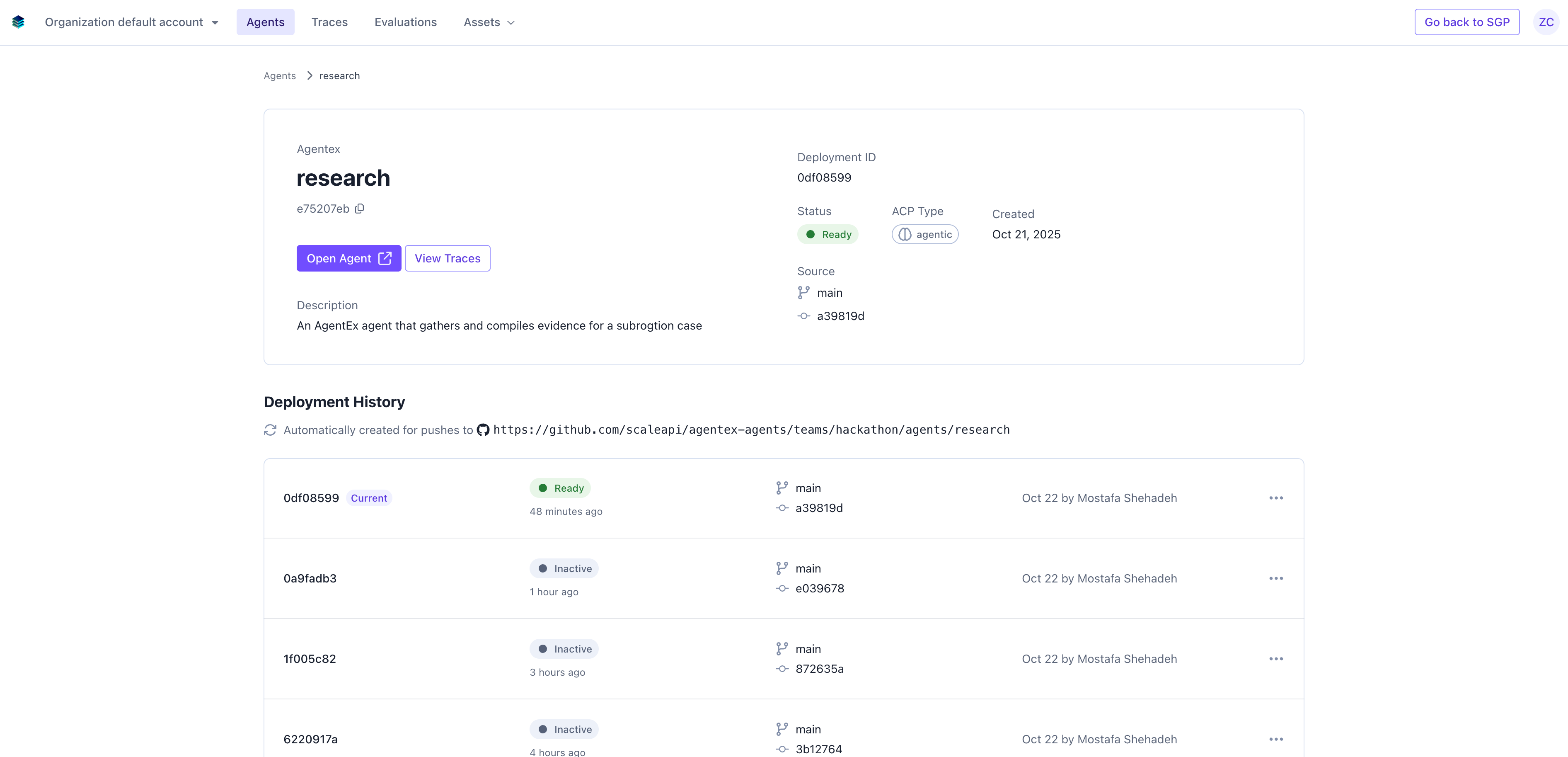
A user can interact with an agent by clicking “Open Agent” on the page of the specific Agent.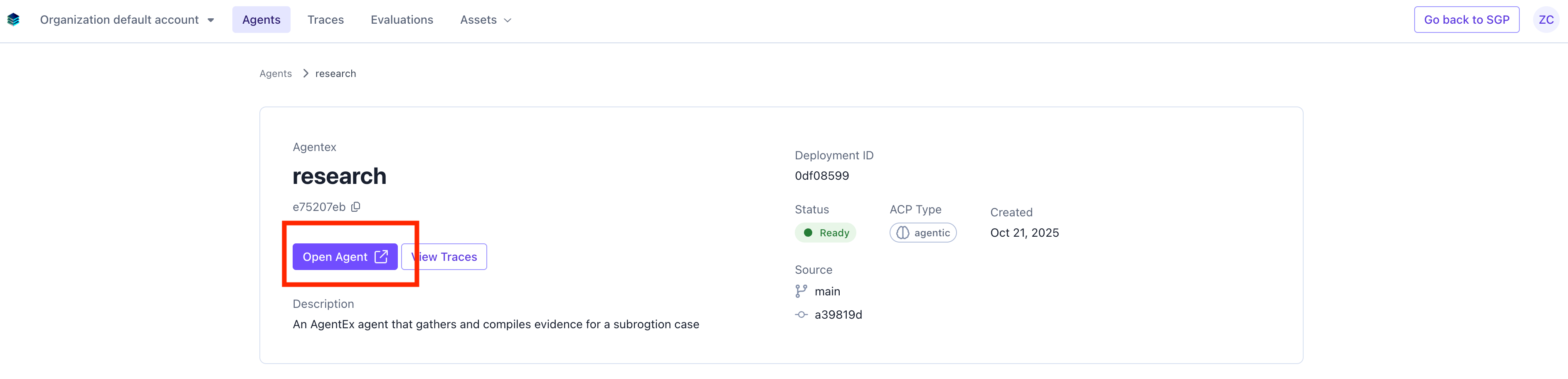
AgentOps- Agent Monitoring and Improvements
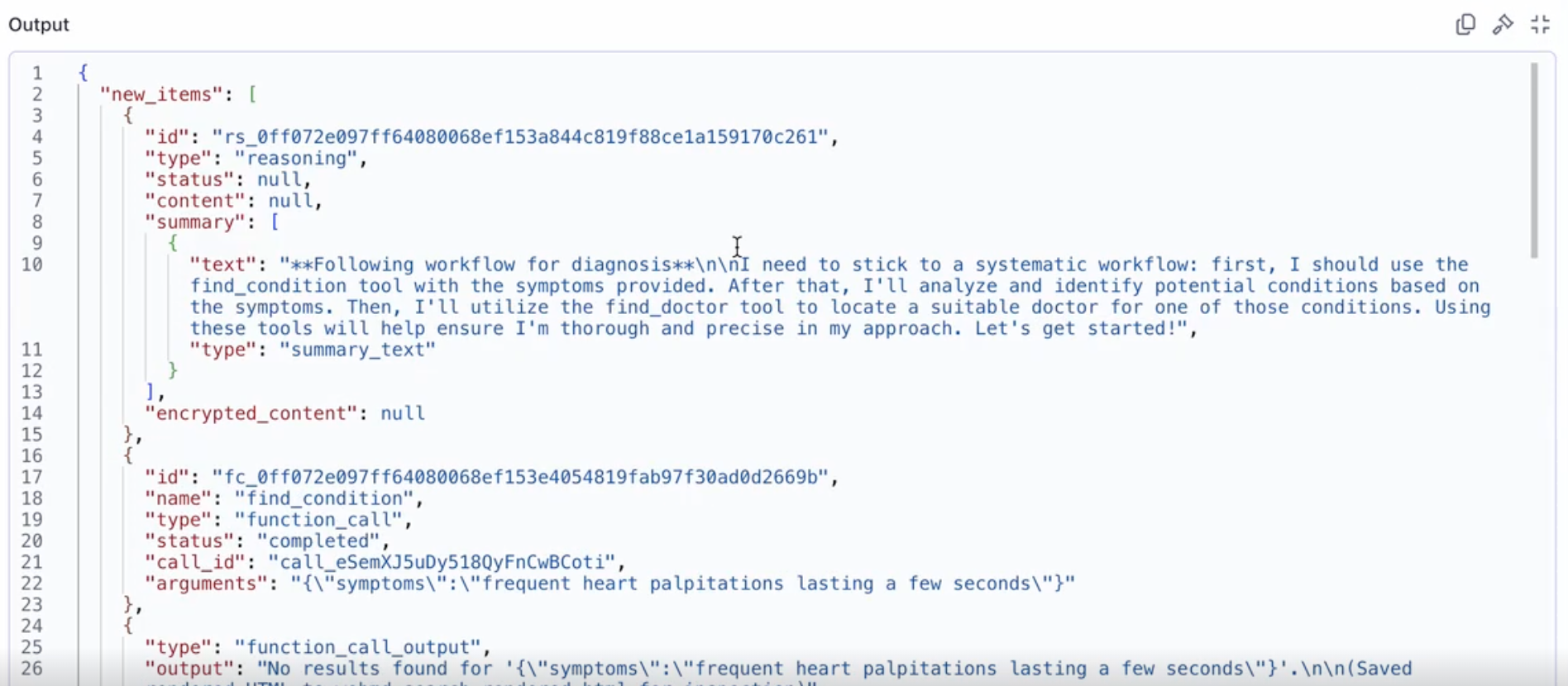
Tracing Agents with AgentOps
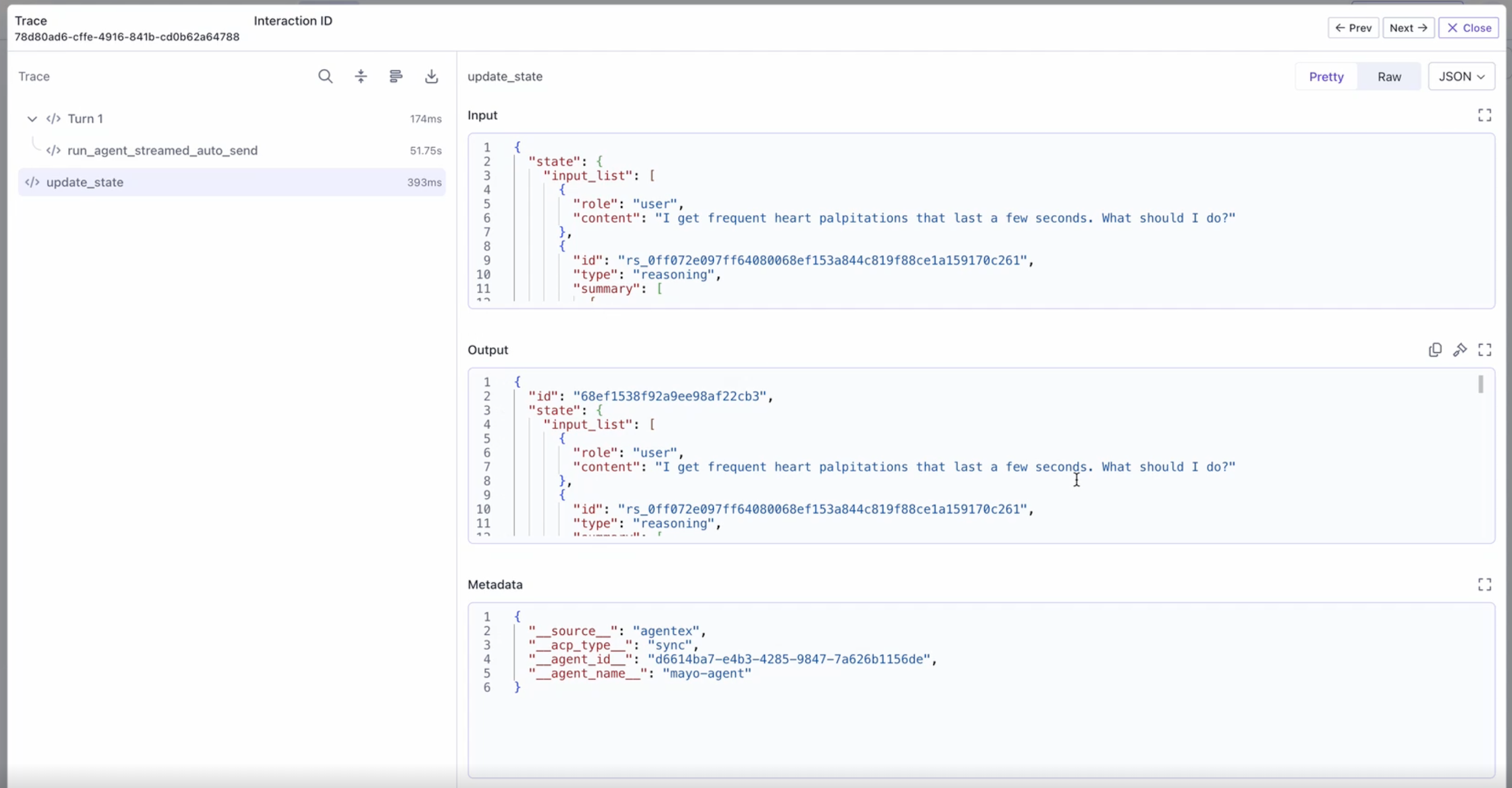
All agents built and deployed with Agentex (like in the example above) will have their interactions automatically show up in the tracing library.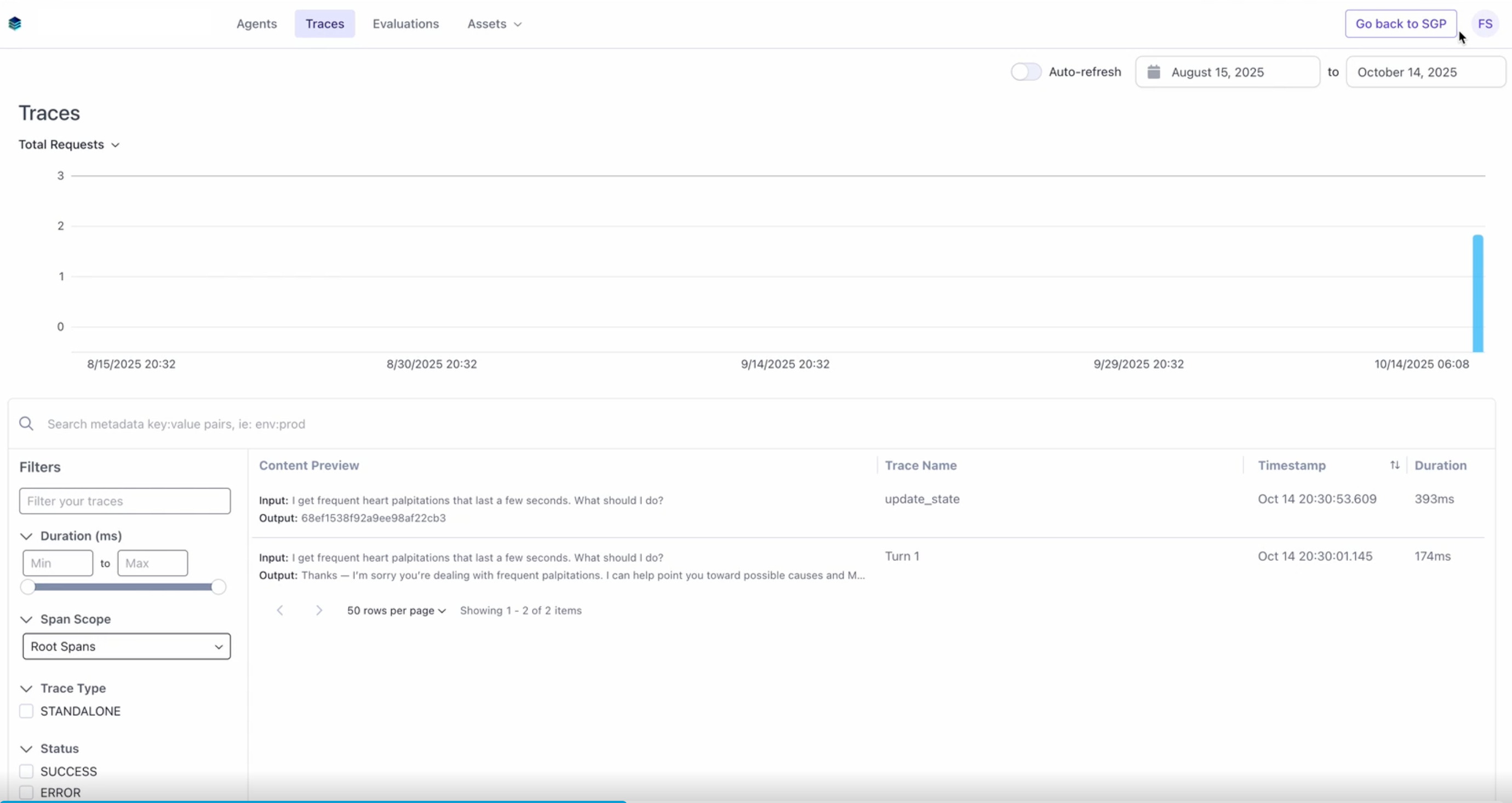
Evaluating Agents with AgentOps
After identifying areas that can be improved from your agents, the AgentOps platform supports developers in running evaluations on their agents. Users can create evaluation datasets through traces and then run evaluations on the platform.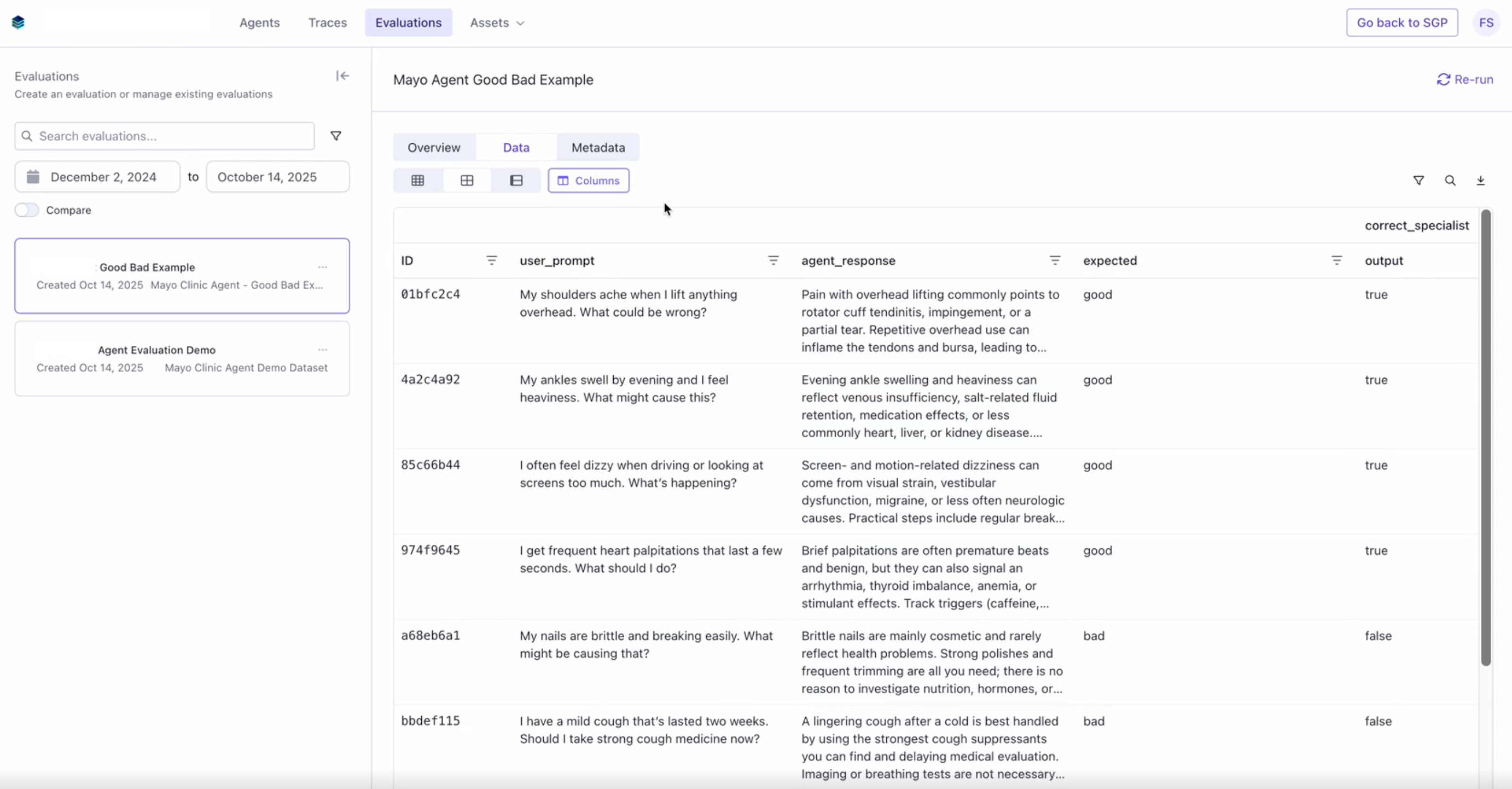
- LLM-as-a-Judge: Have an LLM evaluate the dataset
- Contributor Evaluation: Have humans annotate the dataset
Summary
The combination of all these tools supports the agent development lifecycle.- Developing the local agent.
- Review and deploy the local agent.
- Test the deployed agent.
- Monitor the deployed agent through traces.
- Segment out evaluations from traces.